Selling a home in San Rafael can move quickly, but a fast market does not mean a rushed process. If you want a smoother sale, stronger presentation, and fewer last-minute surprises, your timeline needs to start well before your home goes live. The good news is that with the right planning, you can stay ahead of permits, disclosures, and city requirements while preparing your home for a confident launch. Let’s dive in.
Start Your San Rafael Timeline Early
San Rafael homes are selling at a relatively brisk pace. Redfin’s May 2026 data shows an average of 24 days on market and a median sale price of $1,284,231, while Realtor.com reported a May 2026 median listing price of $1.337M, 32 median days on market, and a seller’s market with homes selling around asking price on average.
The exact numbers vary by source, but the message is the same. If your home is likely to attract attention quickly, the real work has to happen before listing day. That means your selling timeline should begin weeks in advance, especially if your property needs repairs, documentation, or review of past improvements.
Focus on Pre-Listing Work First
The part of the timeline most likely to cause delays is pre-listing prep. A thoughtful walk-through helps you identify what should be repaired, what should be documented, and what may be better left alone.
This early review matters because even smaller projects can create extra lead time. In San Rafael, building permits are required to build, enlarge, alter, remove, demolish, or repair a structure, and the city says sellers should check with the Planning Division before starting permit work.
Review Past Improvements Carefully
If you have completed work over the years, now is the time to confirm whether it was properly permitted and finalized. This is especially important if your home has had updates to areas like kitchens, bathrooms, decks, garage conversions, basement or attic spaces, or retaining walls.
If unpermitted or incomplete work surfaces later, it can slow your timeline and create added stress during escrow. Starting early gives you more room to address questions before buyers are involved.
Plan Repairs With Timing in Mind
Not every home needs a major overhaul before it hits the market. Still, even modest improvements can take time if they involve contractors, scheduling, or city review.
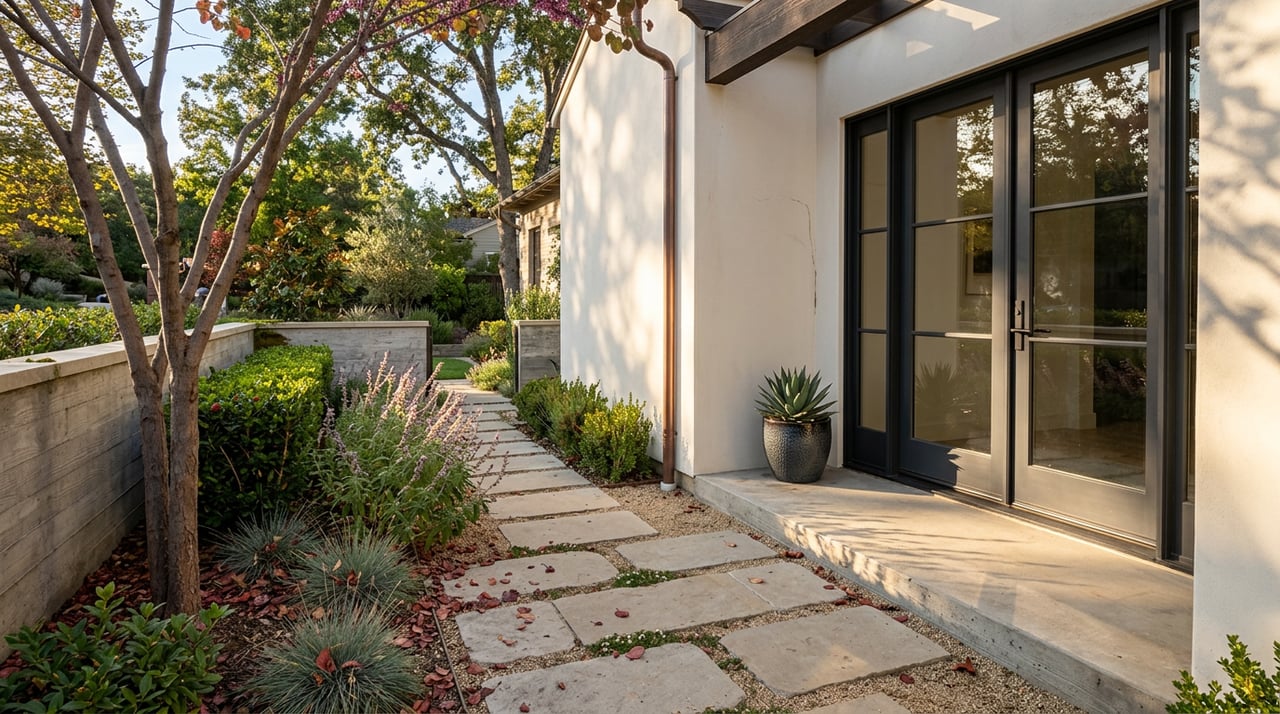
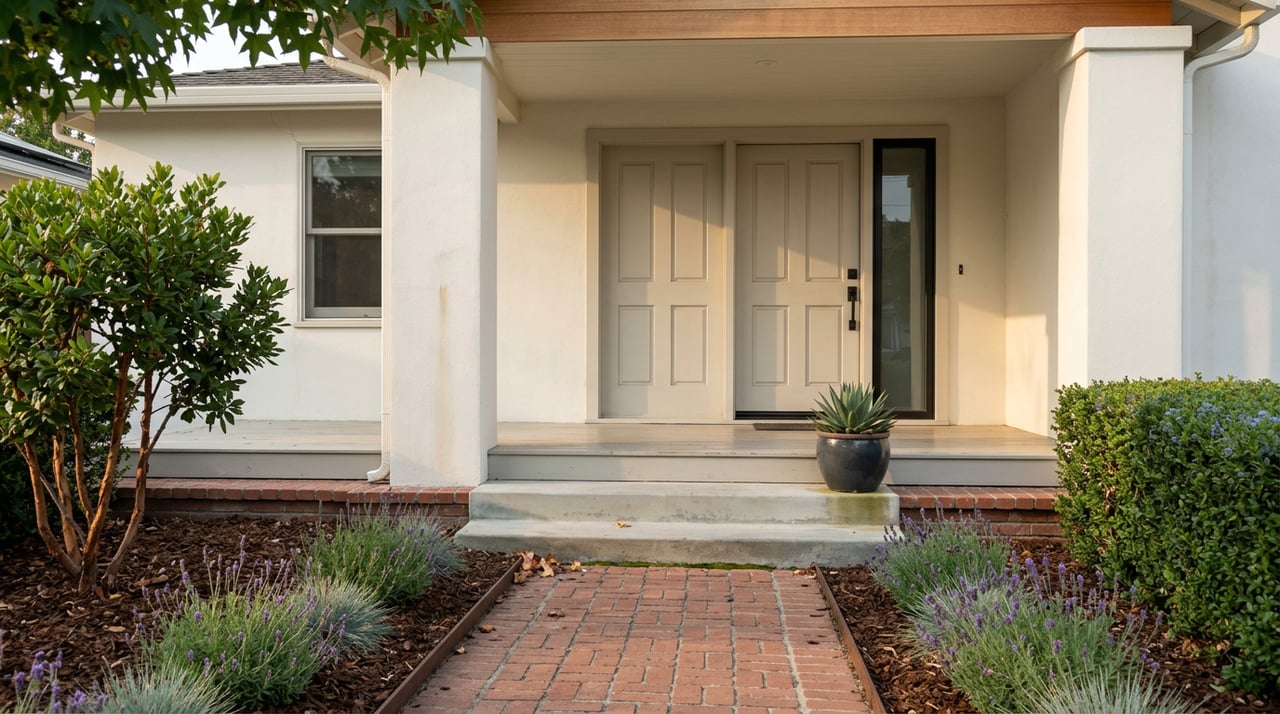
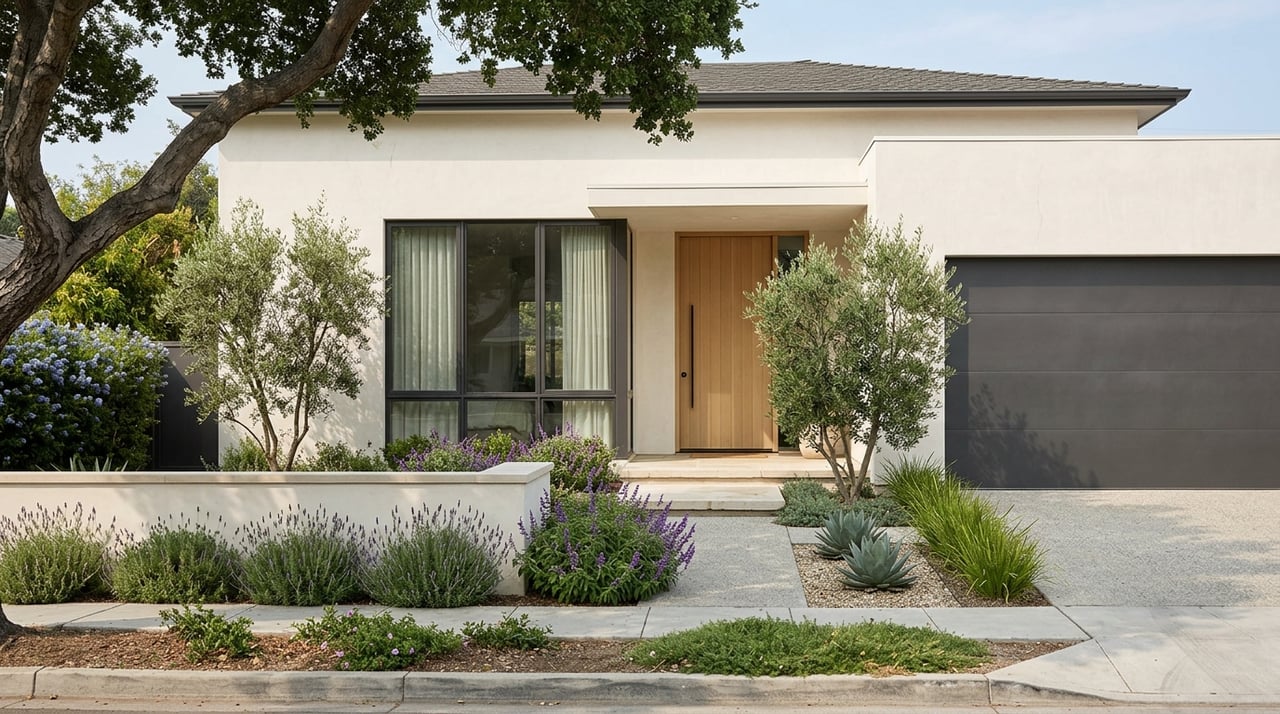
Realtor.com notes that minor cosmetic updates such as fresh paint, updated fixtures, and improved landscaping often help presentation in San Rafael. These projects can improve curb appeal and photography, but they still work best when they are planned well ahead of launch week.
Build the Residential Resale Report Into Your Schedule
One of the most important local timeline items in San Rafael is the Residential Resale Report, or RBR. The city requires an RBR for residential properties that change ownership, and the report includes a building permit records check plus a physical inspection of the residential units.
This is not something to leave for the end of the transaction. The city says it should be requested early because an inspector typically contacts the applicant within 7 to 10 working days to schedule the inspection.
Know the RBR Timing
After the inspection, the city says the completed report is usually issued within 3 business days. The report is valid for 6 months, and it must be completed before close of escrow.
The city also notes that a copy must be provided to the buyer, who signs a statement verifying receipt. In most cases, the seller requests the report, so it makes sense to treat this as an early checklist item rather than a closing task.
Understand What Can Slow the RBR
If the RBR uncovers unpermitted or incomplete work, the timeline can change. The city says follow-up permits may be required for expired or incomplete permits, and retroactive permits may still be required for older unpermitted work.
That is one of the biggest reasons to front-load your timeline. If an issue appears, you will have more flexibility to decide how to address it without putting unnecessary pressure on your listing date or closing window.
Get Disclosures Moving Before You List
California disclosure rules should also be built into your timeline early. The California Department of Real Estate says the Real Estate Transfer Disclosure Statement must be delivered to the buyer as soon as practicable and before transfer of title.
Timing matters here. If a disclosure or amended disclosure is delivered after the offer is executed, the buyer generally has 3 days to cancel if it is delivered in person or 5 days if it is mailed.
Account for Natural Hazard Disclosures
Natural Hazard Disclosure obligations can apply to several conditions, including flood zones, dam-inundation areas, very high fire hazard severity zones, state responsibility areas, earthquake fault zones, and seismic hazard zones. These are not items you want to sort through after you already have an offer in hand.
By organizing your disclosure package early, you help reduce the chance of delays and give buyers a clearer picture of the property from the start. That usually creates a more orderly process once interest picks up.
Consider Lead-Based Paint Rules for Older Homes
If your home is older, lead-based paint rules may also affect timing. The DRE explains that for target housing, sellers must provide lead-based paint disclosures and offer the buyer an opportunity to inspect.
The buyer is typically given 10 days to inspect for lead-based paint and hazards unless the parties agree otherwise in writing. In a city with many older homes, this is another reason to think through your disclosure timeline before the home goes active.
Treat Launch Week as the Payoff
By the time your home is photographed and listed, most of the important groundwork should already be complete. Launch week should not be when you are scrambling to handle permit questions, resale report scheduling, or missing disclosures.
Instead, it should be the moment when your preparation starts working for you. In a market where homes may move in the mid-20s to low-30s for days on market, the first week online can carry a lot of weight.
Prepare Pricing and Presentation Together
Pricing should reflect recent comparable sales, local market conditions, and your home’s condition. Presentation matters just as much because buyers often make their first impressions through photos and early showings.
This is where coordinated staging, pre-sale improvements, and polished marketing can help your home enter the market with more impact. When your home is ready before launch, you are in a better position to respond to early interest with confidence.
Keep Escrow for Contract Tasks
Once you accept an offer, escrow begins moving through the contract process. The DRE describes escrow as a process handled by a neutral third party that holds funds and documents until the contract conditions are met.
The California Department of Insurance says the escrow holder usually prorates taxes, interest, and insurance, records the deed, requests title insurance, prepares final accounting statements, and disburses funds when instructions are fulfilled. In Northern California, title companies often handle title and escrow together, though local practices can vary.
Avoid Last-Minute Escrow Pressure
A strong selling timeline keeps escrow focused on contract-driven tasks, not cleanup from earlier stages. In San Rafael, the city’s RBR requirement is a major example because it must be requested and completed before close of escrow.
The city also warns that waiting too long may keep the department from meeting escrow deadlines. That makes early planning especially important if you want a smoother close.
Understand What Happens After Recording
After the deed records, Marin County’s Assessor-Recorder-County Clerk reviews recorded deeds to update ownership records and determine whether the transfer will be assessed for property tax purposes. The county says the names on the property tax bill come from the most recent recorded deed, and that a new deed plus a Preliminary Change in Ownership Report are used to update the record.
The California Board of Equalization also explains that a change in ownership can affect property taxes. That is one reason buyers and sellers often confirm tax questions with the appropriate professional as part of the closing process.
A Practical San Rafael Selling Timeline
If you want a simple way to think about your schedule, break it into stages:
- Early planning: Walk-through, repair strategy, review of past improvements, and permit questions
- Pre-listing prep: Cosmetic updates, staging coordination, disclosures, and RBR request
- Launch prep: Photography, pricing, listing copy, and showing plan
- On market: Showings, buyer feedback, offer review, and negotiation
- Escrow and closing: Contract deadlines, final documents, RBR completion if not already finished, and closing coordination
This kind of front-loaded approach helps reduce stress and gives you more control. It also makes it easier to present your home well when buyer attention is strongest.
Why Expert Coordination Matters
A strong selling timeline is not just about dates on a calendar. It is about knowing which steps can affect value, which ones can create delays, and which ones deserve attention first.
If you are planning to sell in San Rafael, having a local advisor who can help coordinate pre-sale improvements, staging, and the moving parts of your listing can make the process more manageable. For guidance tailored to your property and timing, reach out to Greg Corvi for a complimentary home valuation and consultation.
FAQs
When should you start preparing to sell a home in San Rafael?
- You should start several weeks before listing, especially if your home may need repairs, permit review, disclosures, or a Residential Resale Report.
What is the Residential Resale Report in San Rafael?
- The Residential Resale Report is a city-required report for residential properties changing ownership that includes a permit records check and a physical inspection, and it must be completed before close of escrow.
How long does the San Rafael Residential Resale Report take?
- The city says an inspector typically contacts the applicant within 7 to 10 working days to schedule the inspection, and the completed report is usually issued within 3 business days after inspection.
Can unpermitted work delay a San Rafael home sale?
- Yes, unpermitted or incomplete work can affect your timeline because follow-up permits or retroactive permits may be required.
Why should sellers prepare disclosures before listing in San Rafael?
- Early disclosures can help reduce delays and avoid buyer cancellation windows that may apply if disclosures are delivered after an offer is already in place.
What should launch week focus on when selling a San Rafael home?
- Launch week should focus on pricing, presentation, photography, listing exposure, and showing readiness, not unfinished prep work from earlier stages.