Designing a productive home office in San Francisco requires careful consideration of various elements that contribute to efficiency and comfort. With the city's unique blend of architectural styles and limited space, creating a functional workspace can be both a challenge and an opportunity. From selecting the right layout to optimizing lighting and storage, each decision plays a crucial role in enhancing productivity.
Choosing the Right Layout
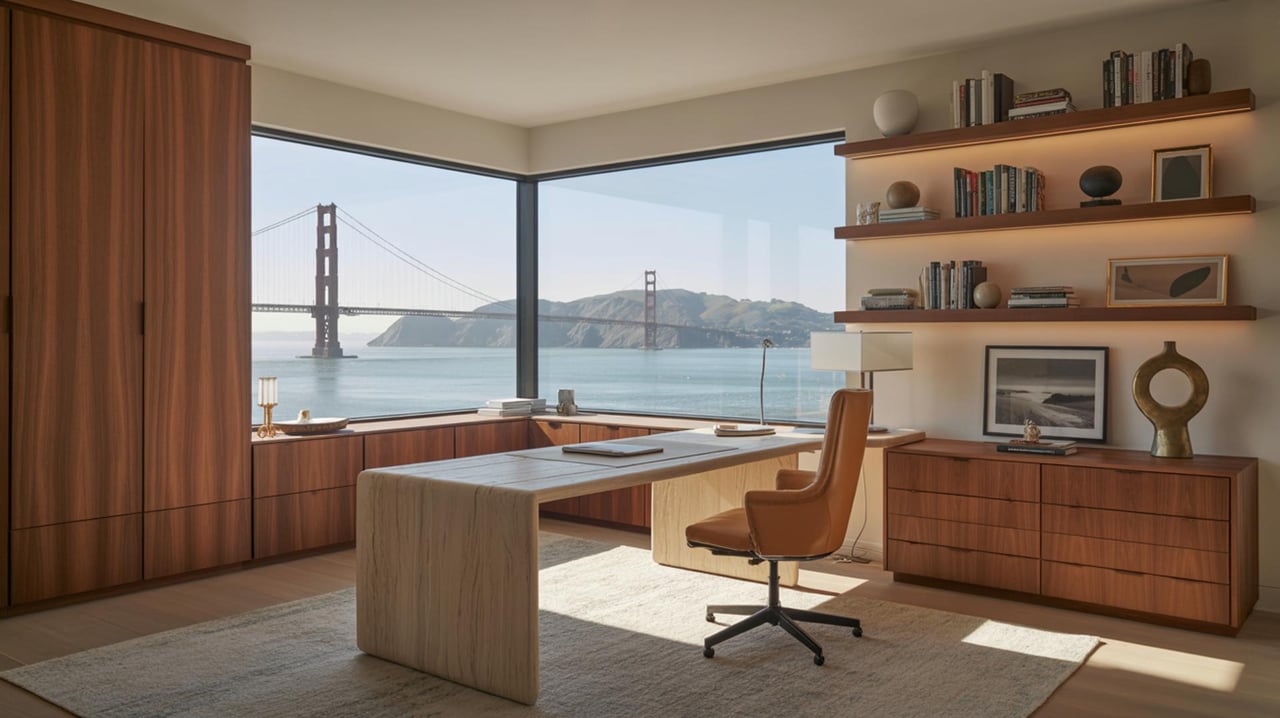
The layout of a home office is foundational to its functionality. In San Francisco, where space can be limited, it's important to make the most of every square foot. Consider the flow of movement and accessibility to essential items. A corner desk can be an excellent choice for maximizing space, providing ample room for a computer and other necessary equipment. For those with more space, a U-shaped or L-shaped desk can offer additional surface area and storage options. Positioning the desk near a window can also provide natural light, which is beneficial for both mood and productivity.
Optimizing Lighting
Lighting is a critical component of a productive home office. Natural light is ideal, so placing your desk near a window can help reduce eye strain and boost mood. In San Francisco, where fog can sometimes obscure sunlight, it's wise to invest in quality artificial lighting. A combination of overhead lights and task lighting, such as a desk lamp with adjustable brightness, can ensure that your workspace is well-lit throughout the day. Consider using LED bulbs for energy efficiency and a more natural light spectrum.
Efficient Storage Solutions
Storage is essential for maintaining an organized and clutter-free workspace. In San Francisco's compact living spaces, vertical storage solutions can be particularly effective. Shelving units, wall-mounted cabinets, and pegboards can keep essential items within reach without taking up valuable floor space. Consider using storage boxes or baskets to keep smaller items organized. A filing cabinet can also be a valuable addition for storing important documents and keeping your desk surface clear.
Ergonomic Furniture Choices
Investing in ergonomic furniture is crucial for long-term comfort and productivity. An adjustable chair with lumbar support can prevent back pain and improve posture. In San Francisco, where many homes have unique architectural features, it may be necessary to find furniture that fits specific dimensions or styles. A sit-stand desk can offer flexibility, allowing you to change positions throughout the day and reduce the risk of sedentary-related health issues.
Personalizing Your Space
Personalization can make a home office more inviting and inspiring. Adding personal touches, such as artwork, plants, or decorative items, can enhance the aesthetic appeal and make the space feel more like your own. In a city as creative as San Francisco, drawing inspiration from local art or incorporating elements that reflect the city's culture can add a unique touch to your workspace.
Incorporating Technology
Technology plays a vital role in a modern home office. Ensure that your workspace is equipped with the necessary technology to support your work tasks. This might include a high-speed internet connection, a reliable computer, and peripherals such as a printer or scanner. Cable management solutions can keep cords organized and prevent clutter. In a tech-savvy city like San Francisco, staying updated with the latest tools and software can also enhance productivity.
Managing Noise Levels
Noise can be a significant distraction in a home office. In San Francisco, where urban sounds are common, finding ways to manage noise is important. Consider using noise-canceling headphones or a white noise machine to minimize distractions. Soundproofing solutions, such as heavy curtains or acoustic panels, can also reduce noise levels and create a more focused work environment.
Creating a Dedicated Workspace
Having a dedicated workspace is essential for maintaining work-life balance. In San Francisco's often compact living spaces, this might mean converting a spare room, a nook, or even a closet into an office. The key is to establish a clear boundary between work and personal life, which can help improve focus and productivity. A dedicated space also signals to others in the household that you are in work mode.
Ensuring Flexibility
Flexibility is key to adapting to changing work needs. Modular furniture and adjustable setups can allow your home office to evolve as your work requirements change. In a dynamic city like San Francisco, where innovation is constant, having a flexible workspace can help you stay agile and responsive to new opportunities.
Maintaining Organization
Keeping your home office organized is crucial for productivity. Regularly decluttering and organizing your workspace can prevent distractions and improve efficiency. In San Francisco, where space is often at a premium, maintaining organization can also help maximize the usability of your office. Consider implementing a regular cleaning schedule and using organizational tools, such as planners or digital apps, to keep track of tasks and deadlines.
Create Your Ideal Home Office
Designing a productive home office involves thoughtful planning of layouts, lighting, and storage. By focusing on these elements, you can create a space that boosts your efficiency and comfort. Remember, a well-designed office can make all the difference in your work-from-home experience. If you're ready to transform your workspace, contact Greg Corvi for expert advice and personalized solutions.