Are you trying to decide where in Mill Valley you’ll feel most at home? The difference between living in the flats near downtown and settling on a sunny hillside can reshape your commute, your weekend hikes, even how you run errands. You deserve a clear, local view of how each area works day to day. In this guide, you’ll see how Mill Valley’s micro-neighborhoods affect walkability, commute options, noise, outdoor access, and practical considerations like wildfire and flood exposure. Let’s dive in.
Mill Valley at a glance
Mill Valley sits along Richardson Bay and at the base of Mount Tamalpais, with level blocks downtown and winding roads leading into steep hills and ridgelines. Small changes in elevation create big microclimate shifts. Bayside flats often wake to cooler fog, while south and west slopes can be sunnier and warmer.
As you compare Marin towns, note the day-to-day tradeoffs. Mill Valley leans residential and outdoors oriented, with fast trail access and a walkable downtown. San Rafael feels more urban and commercial with a larger housing mix, and it connects to regional rail in town.
Five micro-neighborhood types
Downtown and the flats
These are the compact, mostly level blocks around the Miller Avenue and Throckmorton corridor. The setting feels close-knit with restaurants, shops, and small parks in easy reach.
- Walkability: Highest in town. Many errands can be on foot, which aligns with what Walk Score indicators reflect for dense, amenity-rich cores.
- Commute: Shorter drives to US 101 and regional buses via Golden Gate Transit and Marin Transit. The Larkspur Ferry is a short drive.
- Noise: Expect some commercial and evening activity near main streets. Highway noise is less common than near 101.
- Outdoor access: Quick access to urban green spaces like Old Mill Park and nearby trailheads.
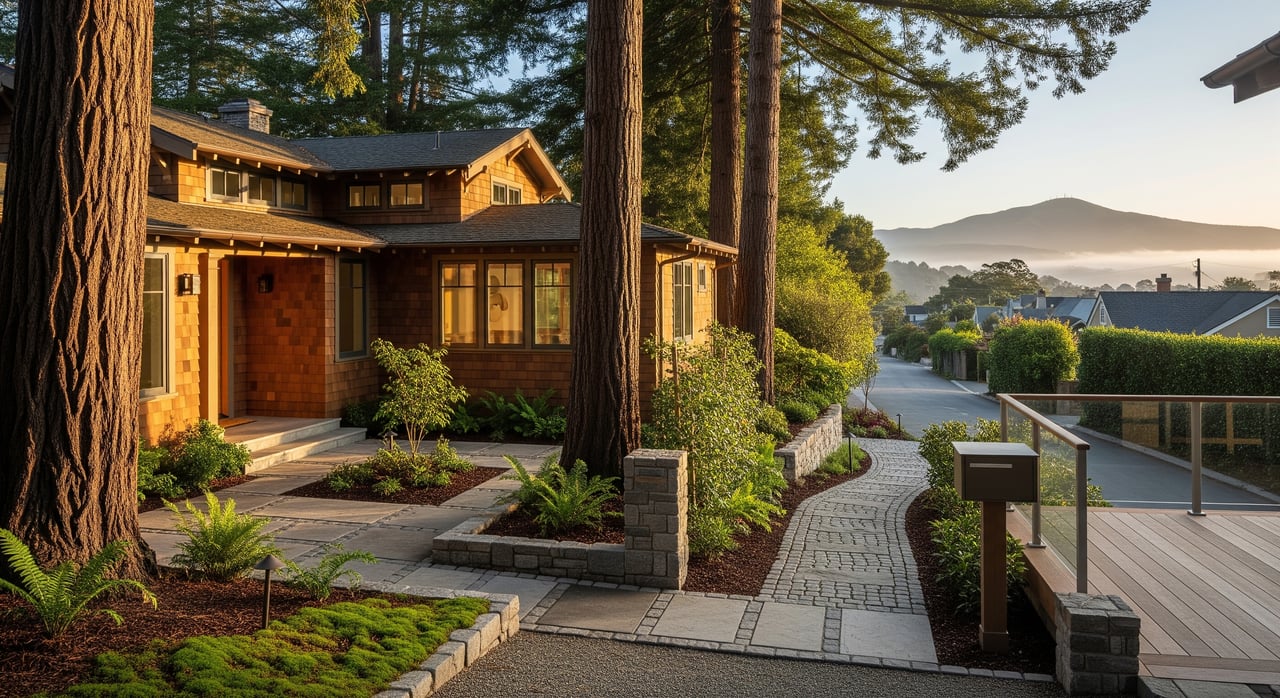
- Home styles: Craftsman bungalows, early cottages, small multifamily, and condos on smaller lots.
- Best fit: You want everyday convenience, a car-light lifestyle, and a smaller maintenance footprint.
Hillside and view areas
These neighborhoods climb the slopes and ridges above the flats. Streets can be narrow and winding, and many homes are oriented for views.
- Walkability: Low for errands. Stairs and steep driveways are common.
- Commute: Longer local drive times due to winding roads. Bus service is more limited than in the flats.
- Noise: Generally quieter from commercial sources. Wind exposure and wildlife sounds are more noticeable.
- Outdoor access: Excellent. You are minutes from Mount Tam’s trail network and regional preserves, with direct links to Mount Tamalpais State Park.
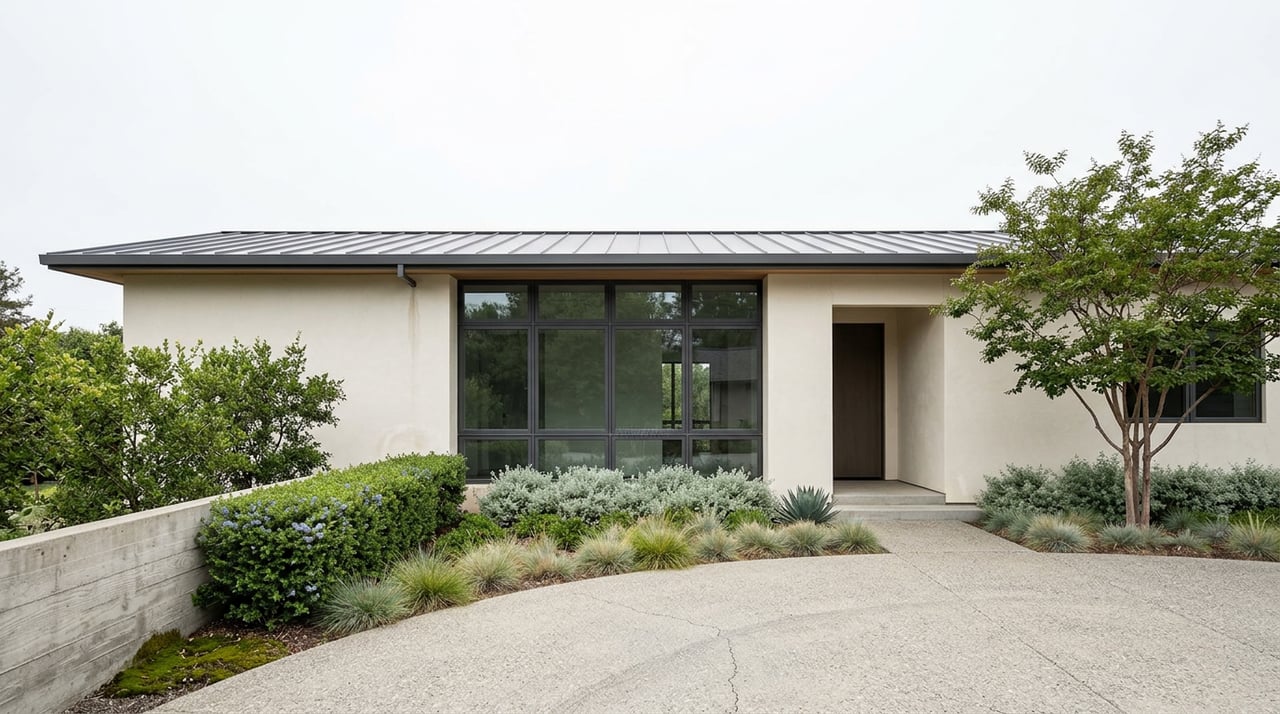
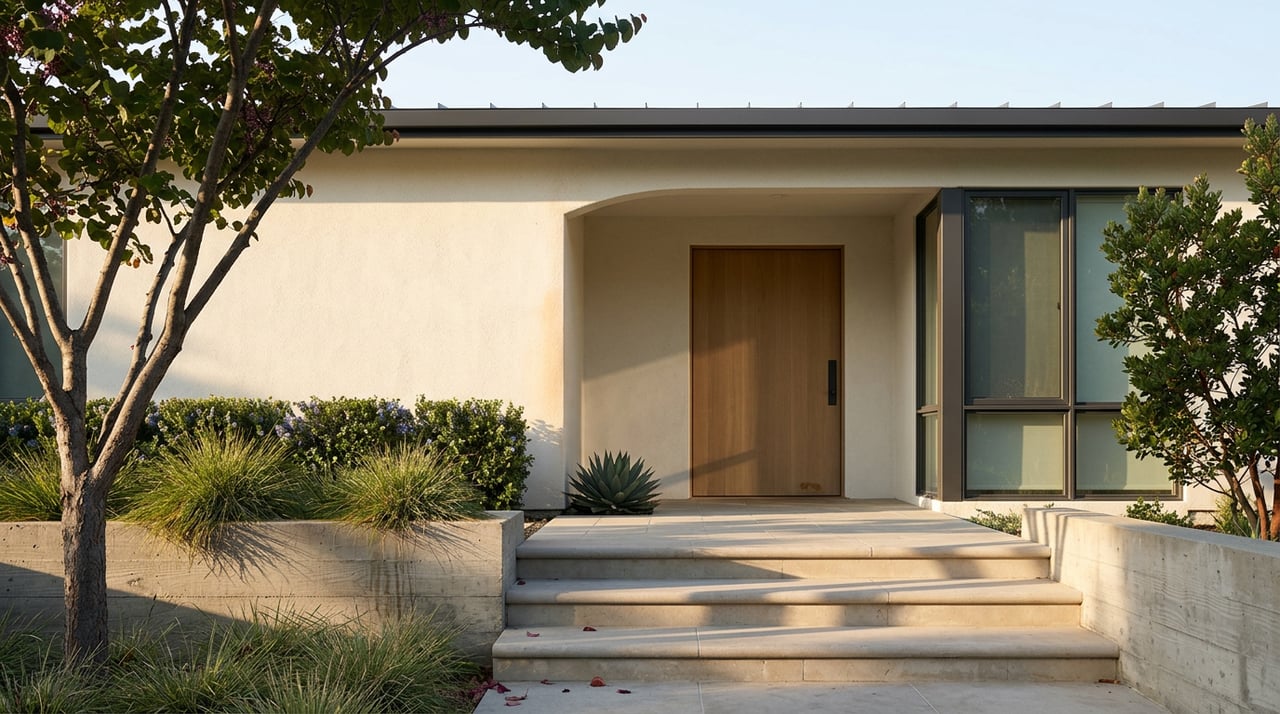
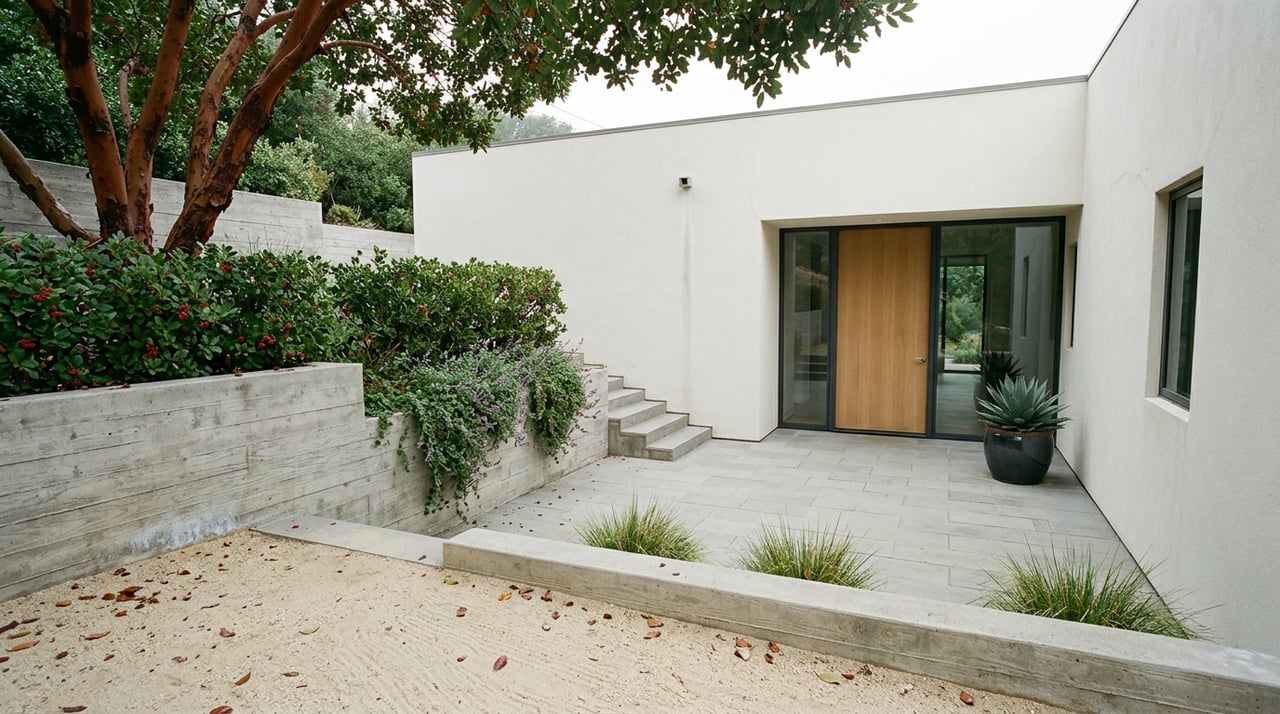
- Home styles: Mid-century moderns and custom contemporary homes on challenging sites.
- Hazards: Higher wildfire exposure per CAL FIRE fire hazard maps. Some parcels carry slope stability considerations.
- Best fit: You value privacy, views, and trail access, and you are comfortable with steeper commutes and site constraints.
Creek-adjacent and low-lying pockets
These are the narrow corridors along creeks and low swales between the flats and hills. They feel close to nature without steep grades.
- Walkability: Mixed. Some pockets are near downtown, others are more tucked away.
- Commute: Similar to the nearest flats or hills depending on the exact block.
- Noise: Quieter from commercial activity. Seasonal creek sounds are common.
- Outdoor access: Riparian paths and small linear parks nearby.
- Home styles: Modest single-family homes, older mill-era cottages, and scattered remodels.
- Hazards: Elevated flood potential in heavy storms or king tides. Verify status on the FEMA Flood Map Service Center.
- Best fit: You want nature at your back fence, easier access than the hills, and you will plan for flood resilience.
Suburban valleys: Tam Valley and Homestead Valley
On Mill Valley’s southeast edge, these areas feel more suburban and a bit quieter than downtown. Streets are typically flatter, with neighborhood parks and schools as anchors.
- Walkability: Most errands require driving. Local parks and schools are the focal points.
- Commute: Reasonable access to US 101, buses, and the Larkspur Ferry. Drive times vary by time of day.
- Noise: Lower commercial noise. Highway noise can rise near 101.
- Outdoor access: Nearby open spaces with easier walking routes than steep hillsides.
- Home styles: Mid-century ranches and updated homes with larger yards.
- Best fit: You want yard space, gentler terrain, and a suburban feel while staying close to Mill Valley.
Ridge and Mount Tam-adjacent properties
These homes sit near preserved open space, often with fewer neighbors and panoramic views. Access can be limited during weather or fire events.
- Walkability: Very low. Plan to drive for errands and services.
- Commute: Longest and most variable road times, which can be a factor for city commuters.
- Noise: Natural soundscapes, stronger winds, and seasonal wildlife activity.
- Outdoor access: Exceptional. Trailheads and headlands are at your doorstep.
- Home styles: Custom single-family homes and older retreat cabins, often with significant site constraints.
- Hazards: Higher wildfire vulnerability per CAL FIRE. Utilities and permitting can be more complex.
- Best fit: You want seclusion and immediate wilderness access, and you are comfortable with the realities of rural-edge living.
Commute, transit, and school logistics
Mill Valley’s daily rhythms are shaped by your location. If you rely on transit, the flats offer easier access to Golden Gate Transit routes and local buses via Marin Transit. The Golden Gate Ferry at Larkspur Landing is a fast Bay crossing by car connection.
Hillside and ridge homes add minutes to most trips due to winding streets. Tam Valley and Homestead Valley balance neighborhood calm with straightforward access to 101. If you are comparing to San Rafael, note that SMART rail runs out of San Rafael stations, which can impact park-and-ride routines.
For schools, Mill Valley addresses are generally served by the Mill Valley School District for elementary grades and the Tamalpais Union High School District for secondary grades. Boundaries and walkability vary by micro-neighborhood, so it is smart to confirm the assigned schools and pickup logistics for a specific address.
Microclimates and noise
Mill Valley’s short distances can mean big differences. Lower bayside areas tend to be cooler and foggier in summer mornings. South and west slopes often enjoy more sun and warmth.
Noise varies by block. Downtown and major corridors have more commercial and traffic activity, while hillside and ridge areas trade that for wind and wildlife sounds. Close to 101, expect more highway noise regardless of neighborhood type.
Hazards and planning realities
Before you commit to a home, check hazard exposures and how they affect insurance and projects.
- Wildfire: Hillsides, ridges, and open space edges face higher risk. Use CAL FIRE’s fire hazard maps and follow local defensible space rules.
- Flood: Creek-side and low-lying flats can sit in FEMA flood zones or be affected by tides. Verify a property on the FEMA Flood Map Service Center.
- Slope stability: Steep parcels may need geotechnical review for additions or retaining work.
- Permitting: Hillside projects often see added review for grading, tree removal, and design. ADUs are supported by state law, yet steep lots can limit feasibility.
Quick checklist for buyers
Use this to compare blocks and micro-neighborhoods before you write an offer.
- Commute: Test your door-to-door route at real drive times, including school drop-offs.
- Walkability: List your weekly errands. Note sidewalks, crossings, and bike options.
- Noise: Visit at different times to gauge traffic, nightlife, or highway sound.
- Microclimate: Track sun, shade, wind, and fog on the specific block.
- Outdoor access: Identify nearby parks and trailheads and whether they allow bikes or are hike-only.
- Hazards and insurance: Check FEMA flood status and CAL FIRE severity zone. Ask your insurer about premiums and eligibility.
- Site practicality: Count stairs, evaluate driveway slope, and confirm parking.
- Schools: Confirm assigned schools and pickup logistics for the address.
- Future plans: Review local rules for additions, ADUs, grading, and tree work.
Which micro-neighborhood fits you
- Choose the flats if you want to walk to coffee, schools, and parks while keeping commutes simple.
- Choose the hillsides if views and trails are your priority and you accept longer, windier drives.
- Choose creek-adjacent pockets if you want nature nearby without steep terrain and you will plan for flood resilience.
- Choose Tam Valley or Homestead Valley if you want yards and a suburban feel with practical access to 101.
- Choose ridge and open space edges if seclusion and adventure define your lifestyle and you are prepared for wildfire readiness.
Mill Valley vs. San Rafael: daily life differences
If you are weighing Mill Valley against San Rafael, consider your routines. Mill Valley offers fast trail access and a walkable town core, with steeper terrain shaping drive times up the hills. San Rafael has a more urban and commercial profile with a wider mix of housing and in-town SMART rail service, which can streamline regional connections for some commuters.
Ready to pinpoint the right pocket for how you live? A local, block-by-block strategy will save you time and stress.
When you want a clear plan for tours, hazard checks, and offer strategy, connect with a local advisor who knows the hills, flats, and valleys by heart. Reach out to Greg Corvi for a thoughtful, step-by-step approach to finding your fit in Mill Valley.
FAQs
What makes Mill Valley’s flats feel different day to day?
- The flats put you close to shops, parks, and bus routes, which can cut drive time and make errands walkable.
How does a hillside address change commute and logistics?
- Winding streets and driveway access add minutes to school runs and errands, and bus service is more limited than downtown.
What are my transit options to San Francisco from Mill Valley?
- You can use regional buses via Golden Gate Transit, local Marin Transit routes to connect, or drive to the Larkspur Ferry for a fast Bay crossing.
Are creek-adjacent homes in Mill Valley at flood risk?
- Some are in FEMA flood zones or affected by tides, so always check the FEMA Flood Map Service Center for the specific property.
Which schools typically serve Mill Valley addresses?
- Elementary grades are served by the Mill Valley School District and secondary grades by the Tamalpais Union High School District, with boundaries depending on the address.