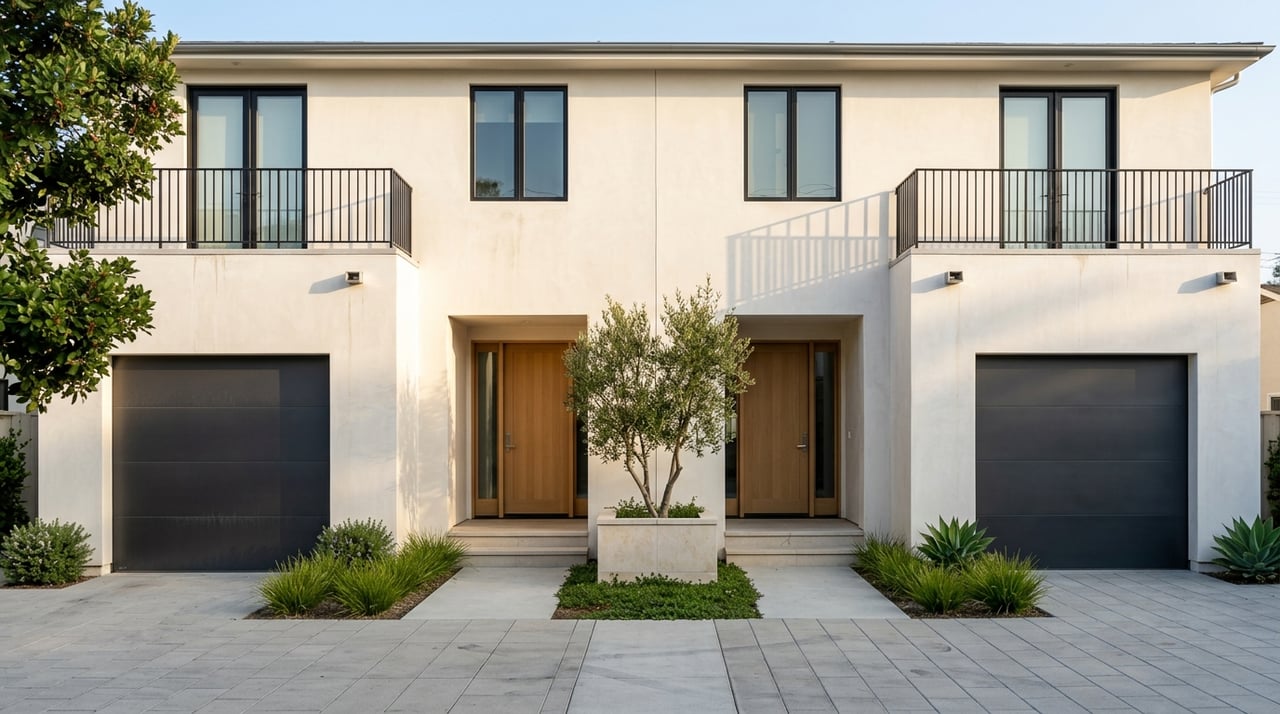
Trying to decide between a townhome and a house in San Rafael? You are not alone. In a market where prices can vary widely by property type, that choice often comes down to how you want to live day to day, not just what you can afford. If you are weighing budget, maintenance, outdoor space, and location, this guide will help you sort through the key tradeoffs so you can move forward with more confidence. Let’s dive in.
Start With Budget
For many buyers, the biggest difference between a townhome and a detached house in San Rafael is the entry price. The citywide median sale price was $1,148,500 in March 2026, while Marin County’s median sold price for existing single-family homes reached $1,575,000 in February 2026. By comparison, San Rafael townhouses have shown a median listing price of $864,000, which can make attached housing a more accessible option for buyers who want to stay in Marin.
That price gap matters if you are trying to balance monthly costs, down payment goals, and room in your budget for future repairs. Census QuickFacts also shows that median owner costs with a mortgage in San Rafael are above $4,000 per month, reinforcing how important it is to look at the full payment picture. A lower purchase price on a townhome may open the door to homeownership sooner, but you also need to account for HOA dues.
Compare Monthly Costs Carefully
A house often comes with a higher purchase price, but a townhome can come with recurring fees that affect affordability in a different way. In many attached-home communities, owners pay mandatory HOA dues and agree to community rules through recorded governing documents. According to the California Attorney General’s HOA guidance, those dues and rules are a standard part of ownership in many planned developments.
That means your monthly budget should include more than principal, interest, taxes, and insurance. With a townhome, you may also be paying for shared maintenance, reserves, and common-area operations. With a house, you are less likely to have HOA dues, but you are also more likely to carry the full cost of exterior upkeep yourself.
Maintenance: Convenience vs Control
One of the clearest tradeoffs is maintenance responsibility. In many townhome communities, the homeowners association typically handles common-area items such as landscaping, recreation facilities, parking areas, gutters, and outdoor lighting, while owners handle interior spaces and sometimes certain exclusive-use areas. The California Department of Real Estate reserve study guidance makes clear that maintenance duties can be divided in very specific ways.
This setup can be appealing if you want less hands-on exterior work. You may not need to think as much about common landscaping or shared paving, and some exterior items may be planned for at the association level. On the other hand, a detached house usually gives you more independence, but it also puts more maintenance decisions and costs directly on your shoulders.
HOA Rules Matter More Than Many Buyers Expect
Not all townhomes work the same way. Before you assume what is covered, it is important to review the CC&Rs, reserve study, and any association financials. The state’s HOA consumer guidance and DRE reserve study materials both point to the same practical issue: dues can change, and special assessments can happen when large shared components age.
If you are comparing a townhome with a house, ask simple but important questions:
- What does the HOA maintain?
- Are roofs, paving, or exterior surfaces included?
- Are there upcoming major projects?
- How healthy are the reserves?
- Are there restrictions that affect your lifestyle?
A house may mean fewer shared rules, but it also means you are planning and paying for major repairs on your own timeline.
Outdoor Space Feels Different
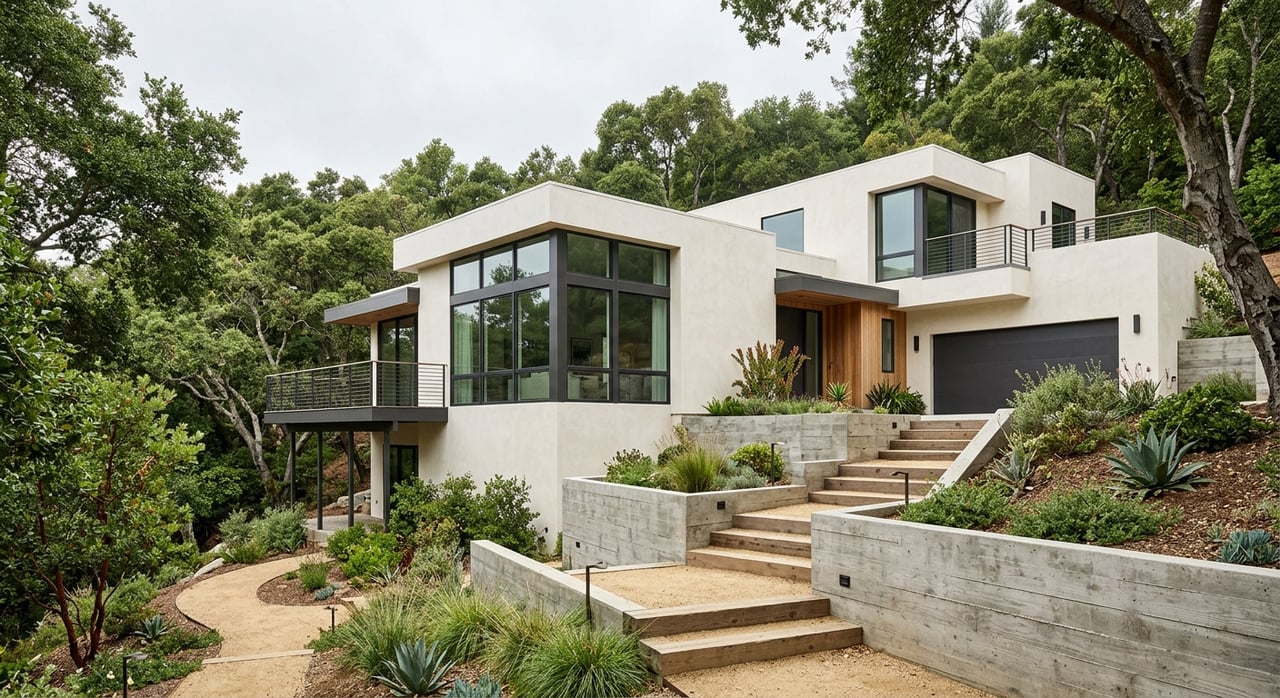
If private outdoor space is high on your list, a detached house often has the advantage. Houses are more likely to offer a private yard, more separation from neighbors, and greater flexibility in how you use the outdoor area, subject to local rules and property conditions.
Townhomes can still offer outdoor amenities, but the experience is often more shared. San Rafael’s recreational-area policy notes that multifamily development may include common outdoor features such as pools, spas, picnic areas, court facilities, tot lots, and garden space. In practical terms, some attached-home living trades a larger private yard for access to maintained shared amenities.
Parking Can Shape Daily Life
Parking is another detail that can have an outsized impact on convenience. A detached home may offer a driveway, an attached garage, or more private off-street parking. That can be a real plus if you have multiple cars, need storage, or want a simpler daily routine.
With townhomes, especially in more central locations, parking can be more limited or more communal. The City of San Rafael explains that downtown parking includes public garages, metered spaces, free parking on Sundays and holidays, and discounted monthly options. If you are considering a centrally located townhome, it is worth thinking through how parking will work for guests, commuting, and everyday errands.
Where You Find Each Option in San Rafael
In San Rafael, the townhome-versus-house decision is also tied to where inventory tends to appear. The city’s Downtown Profile Report notes that the downtown area has limited housing relative to commercial and institutional uses. That helps explain why attached housing often shows up in mixed-use and redevelopment projects rather than across every part of the city.
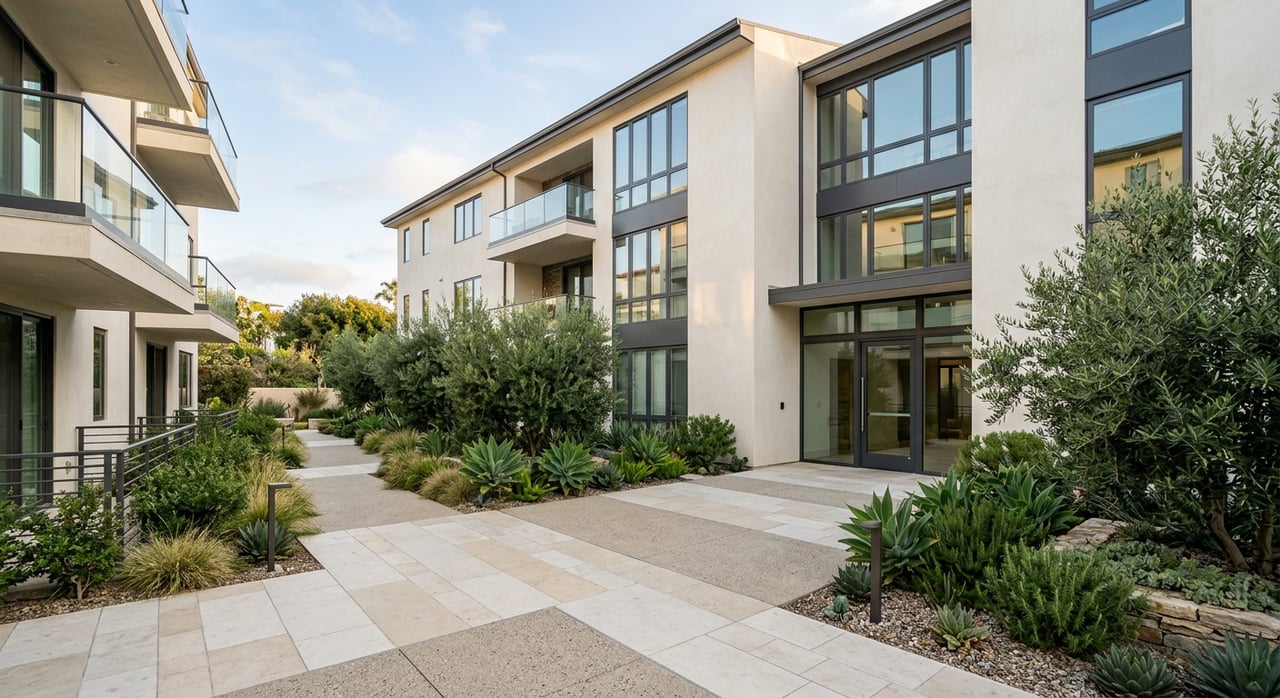
Current and recent city project pages reinforce that pattern. The Northgate Town Square project materials referenced in city planning updates describe a larger mixed-use redevelopment that includes for-sale townhomes, while other planned projects in San Rafael include a mix of single-family homes, duplexes, condos, and townhomes. In short, townhomes in San Rafael are often concentrated in planned neighborhoods, redevelopment areas, and specific residential pockets, while detached homes remain a different segment of the market.
Market Pace and Competition
It also helps to compare how quickly each property type tends to move. San Rafael homes have been selling in about 28 days on average and receiving about 2 offers, while townhomes have been staying on the market for about 32 days. That suggests both segments can move at a healthy pace, but there may be slight differences in pricing, buyer pool, and competition depending on the property.
If you are buying, that means you should be ready to act when the right fit appears. If you are selling, it means your strategy should match the property type, the location, and what buyers in that segment care about most.
Which Option Fits Your Lifestyle?
A townhome may be the better fit if you want:
- A lower entry point than many detached houses
- Less exterior maintenance responsibility
- Access to shared amenities
- A more lock-and-leave lifestyle
- A location in a mixed-use or planned development area
A detached house may be the better fit if you want:
- More privacy and separation
- Greater control over the property
- More private outdoor space
- More flexibility around parking and storage
- Fewer shared rules and decisions
Neither option is automatically better. The right choice depends on how you prioritize cost, time, convenience, autonomy, and long-term plans.
A Smart Way to Decide
When buyers compare a townhome and a house, it is easy to focus only on square footage or list price. In San Rafael, a better approach is to compare the full ownership experience. Look at the monthly payment, the maintenance split, the rules, the parking setup, the outdoor space, and the location pattern for each property type.
If you want help weighing those tradeoffs in the current Marin market, Greg Corvi can help you compare options, review the details that matter, and narrow in on the right fit for your goals.
FAQs
What is the main cost difference between a townhome and a house in San Rafael?
- A townhome often has a lower entry price than a detached house in San Rafael, but you should also factor in HOA dues and any future assessments when comparing monthly costs.
How do HOA responsibilities work for San Rafael townhomes?
- In many townhome communities, the HOA handles common-area maintenance, while you remain responsible for your interior and sometimes certain exclusive-use spaces, depending on the governing documents.
Do San Rafael townhomes usually have private yards?
- Some do, but attached-home living in San Rafael often includes more shared outdoor space and amenities instead of a larger private yard.
Is parking different for townhomes and houses in San Rafael?
- Yes. Detached houses often have more private parking, while townhomes, especially in central locations, may rely more on shared garages, assigned spaces, or nearby public parking options.
Where are townhomes most commonly found in San Rafael?
- Townhomes in San Rafael often appear in planned developments, redevelopment areas, and mixed-use projects rather than evenly across the entire city.
Should I choose a San Rafael townhome or a detached house?
- The better choice depends on your budget, maintenance preferences, need for outdoor space, parking priorities, and how much autonomy you want in day-to-day ownership.