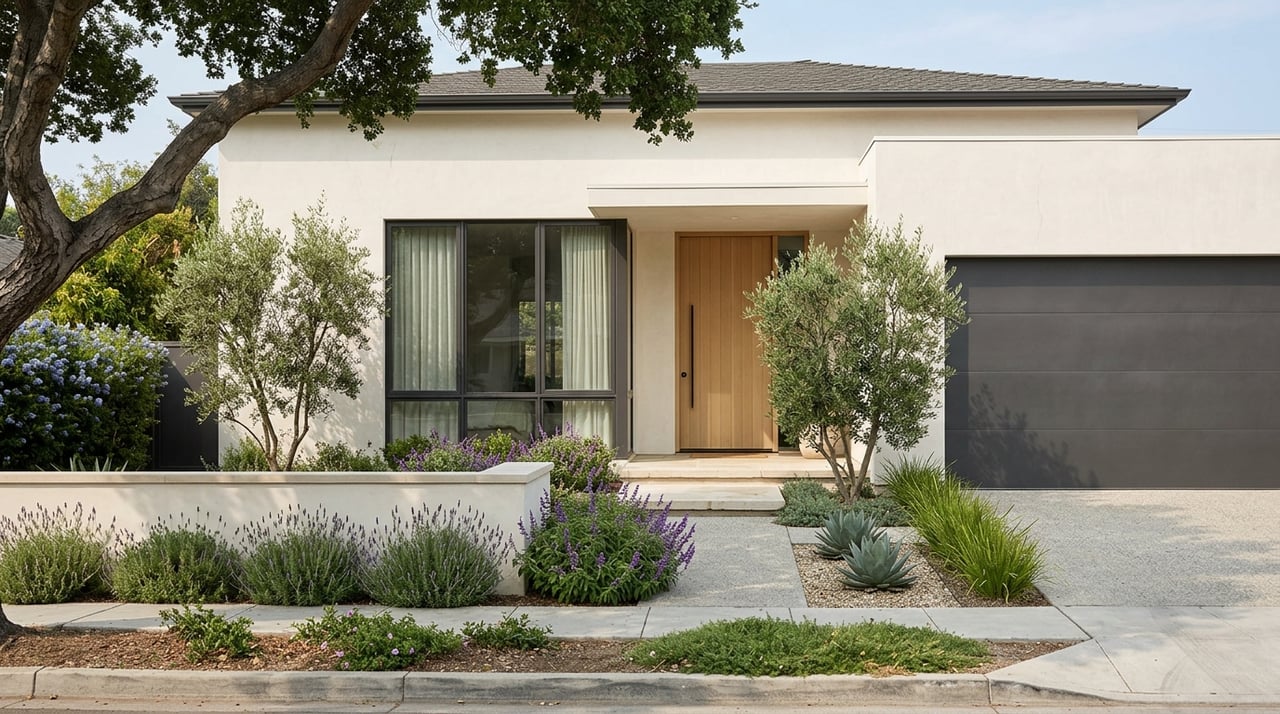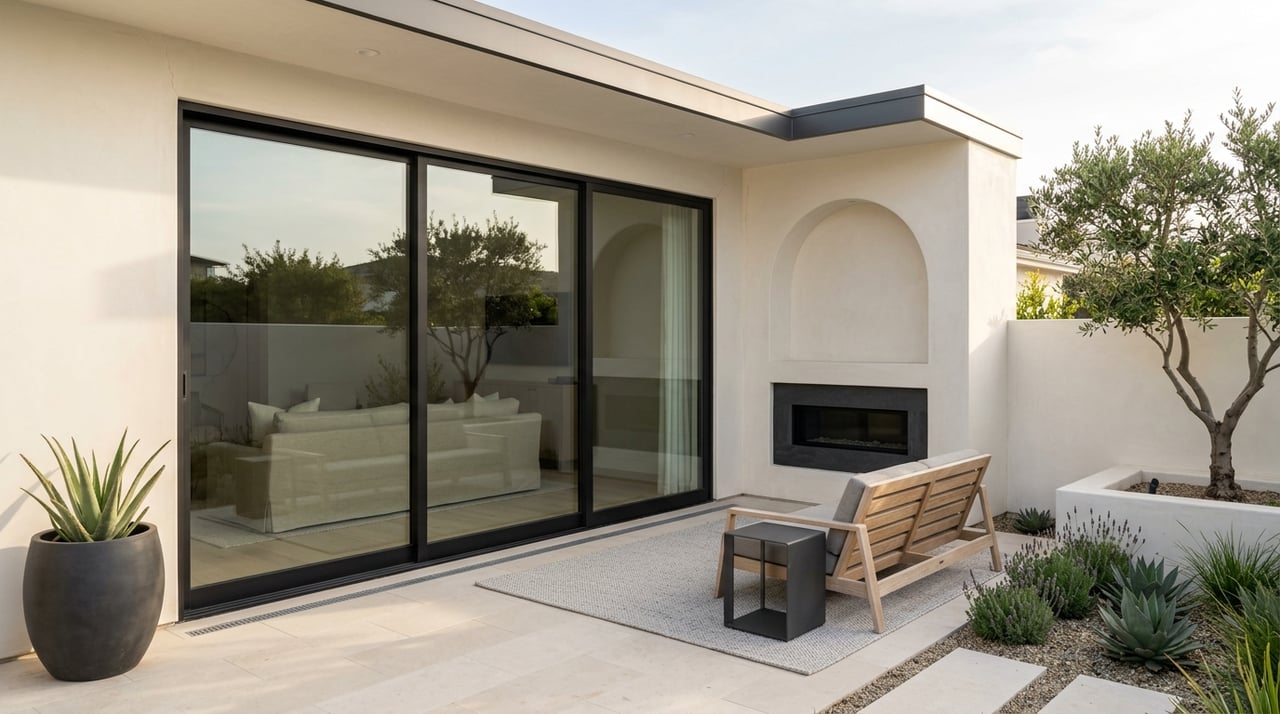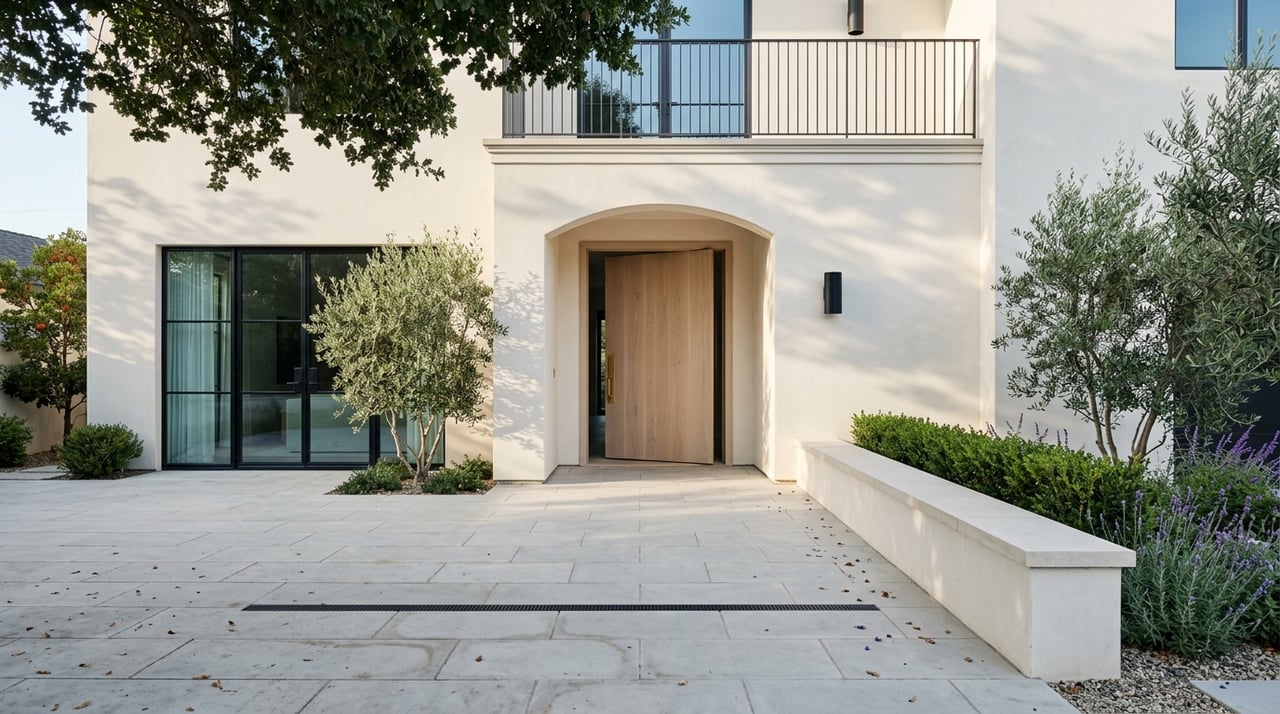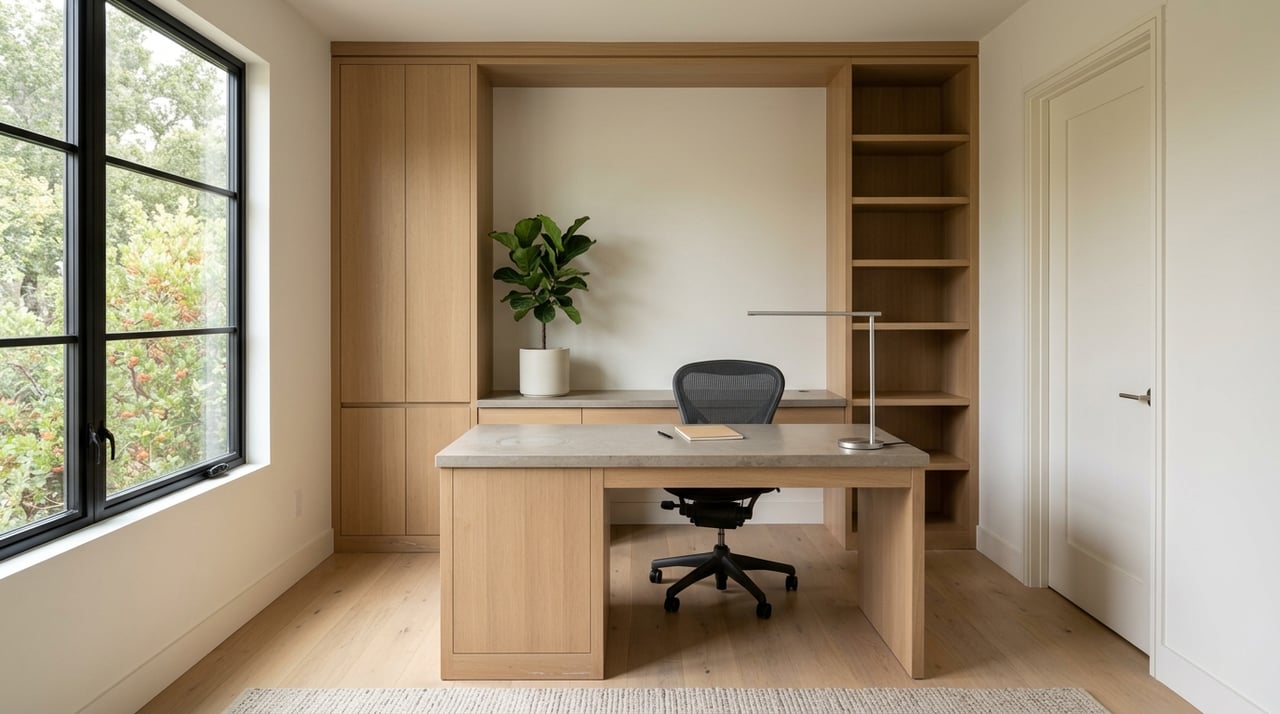
Remote work did not fade away in Marin. In 2024, 26% of Marin County commuters worked from home, the highest share in the Bay Area, and Mill Valley households are especially well set up for digital life, with 96.6% broadband access and 99.6% computer access. If you are buying or selling in Mill Valley, that matters because today’s buyers often look beyond square footage alone. They want homes that support focus, flexibility, and everyday comfort, so let’s look at what remote-work buyers want most.
Why remote-work features matter in Mill Valley
Mill Valley is a natural fit for buyers who work from home full time or part time. Marin County leads the Bay Area in work-from-home share, which tells you this is not a niche preference. It is part of how many households now live and choose housing.
That trend also lines up with the local housing market. Census data shows Mill Valley has very high home values and strong broadband adoption, which means buyers at this price point often expect a home to perform well for both living and working. In practical terms, they are not just buying a house. They are buying a daily environment.
National buyer behavior supports that shift too. A 2024 NAR report found 43% of recent clients said job location did not matter because they continued to work remotely, while only 2% moved because of a return-to-office mandate. For Mill Valley buyers, flexibility still carries real value.
Dedicated office space still matters
One of the clearest priorities is a true place to work. Zillow’s 2025 consumer research found that 51% of prospective buyers rated an extra room for a home office as very or extremely important. Another 30% said a separate structure for a home office mattered at that same level.
That does not always mean buyers need a large formal office. In many Mill Valley homes, a flexible bedroom, den, loft, or detached bonus space can do the job if it feels functional and intentional. Buyers want to see that a desk, monitor, and comfortable seating fit naturally without making the room feel cramped.
For sellers, this is where smart presentation can help. Staging one room clearly as an office often does more than leaving a spare room undefined. It gives buyers an instant answer to an important lifestyle question.
Flexible rooms win attention
Buyers also tend to appreciate rooms that can do more than one thing. A guest room that doubles as an office, or a landing area that supports a compact workstation, can make a home feel more adaptable. That flexibility matters because work schedules, household needs, and technology setups can change over time.
In higher-value markets like Mill Valley, buyers often expect thoughtful use of space. A room does not need a formal label to add value. It just needs to show a clear purpose.
Quiet and privacy shape buyer perception
A beautiful room is not enough if it feels noisy or exposed. Zillow found that 69% of prospective buyers rated quiet or minimal noise pollution as very or extremely important. For remote workers, that can influence how they feel about a home within minutes of stepping inside.
This matters in both layout and presentation. Bedrooms or offices set away from the main living area often feel more useful for calls and focused work. Even simple choices like calmer staging, reduced visual clutter, and well-placed furniture can make a room feel more private.
Sellers do not always need major upgrades to improve this impression. Thicker rugs, lined curtains, weatherstripping, and door sweeps can help soften noise and make a workspace feel more settled. These are modest changes, but they support features buyers already care about.
Air and light matter too
Remote-work buyers spend more waking hours at home, so they tend to notice the full atmosphere of a property. Zillow reports that 79% of buyers rated good air quality as very or extremely important. Clean, bright, well-ventilated spaces usually leave a stronger impression than rooms that feel dark or stuffy.
In Mill Valley, many homes already benefit from natural light and strong indoor-outdoor connections. When those features are paired with a calm, organized interior, the home can feel much more supportive of everyday work life.
Outdoor space adds real lifestyle value
Remote work changed how buyers think about outdoor areas. NAR’s 2024 Migration Trends report found that 42% of recent clients chose a specific home for its outdoor space, 31% for additional square footage, and 24% because it was in a quieter area. Buyers are not just looking for a yard. They are looking for usable extension of living space.
That fits Mill Valley especially well. The area offers access to places like the Mill Valley-Sausalito Pathway and Camino Alto Preserve, and many buyers are drawn to the connection between home life and the outdoors. In a remote or hybrid routine, that can mean stepping outside for a break, taking a call on the deck, or working from a patio for part of the day.
For sellers, the goal is to make outdoor space feel intentional. A small seating area, some shade, and a clean setup can help buyers picture how the space functions. Even modest outdoor areas can feel valuable when they look usable and easy to enjoy.
Storage supports a better work-from-home setup
Remote-work households often need more than office space. They also need better organization. Paperwork, devices, cords, backpacks, packages, and everyday household items all compete for room, which is why storage can quietly influence buyer interest.
NAHB’s 2024 buyer research found that 86% of buyers rate a laundry room as desirable or essential. About two-thirds want features like linen closets and a walk-in pantry, and garage storage continues to stand out as a practical priority. Buyers may not describe this as a remote-work feature, but it directly affects whether a home feels manageable.
A tidy laundry area, organized closets, and a garage that does not read as overflow storage can make the whole home feel more functional. Decluttering and visible storage systems often matter more than adding more square footage. Buyers respond when a home feels easy to live in.
Connectivity is expected, not optional
In Mill Valley, reliable connectivity is basic infrastructure for many buyers. Census QuickFacts shows 96.6% of households have a broadband subscription, which reflects how normal connected living is in the area. For remote workers, that expectation is even stronger.
Smart-home features also matter. Zillow’s 2025 survey found that 91% of prospective buyers considered at least one smart-home feature important, with strong interest in security systems, smart locks, lighting, thermostats, and leak detection. These features do not replace a good floor plan, but they can reinforce the sense that a home is current and easy to manage.
If you are selling, the message should stay practical and specific. Buyers want confidence that the home supports modern daily life. A clean, well-organized presentation of work areas and everyday systems often goes further than flashy tech.
How sellers can market work-ready features
If you are preparing to sell in Mill Valley, the best strategy is usually to highlight what already works. That means showing flexible office space, emphasizing quiet room placement, improving organization, and making outdoor areas feel usable. These are often lower-cost improvements with strong visual impact.
Listing language should also stay accurate and specific. Phrases like work-from-home friendly, flexible office or guest room, quiet retreat, indoor-outdoor living, and organized storage can be effective when the home clearly supports those claims. Buyers respond best when the marketing matches what they see in person.
Be careful with detached offices and additions
The City of Mill Valley notes that most projects require plans of some kind, and its residential plan check process covers work such as ADUs, remodels, additions, decks, garages, and accessory structures. The city also advises owners to confirm whether the property is within the City of Mill Valley or unincorporated Mill Valley before applying.
That matters if your home includes a detached office, expanded deck, or other improvement that could affect how the property is described. Marketing should not imply unpermitted square footage or future build-out potential unless permits and zoning fully support it. Clear, careful presentation protects both credibility and compliance.
What buyers should watch for
If you are shopping for a Mill Valley home and you work remotely, try to look beyond the listing photos. Ask yourself how the home would function on a normal Tuesday, not just on move-in day. Can you take calls without interruption, stay organized, and enjoy the space between meetings?
A few practical questions can help:
- Is there a dedicated or easily adaptable workspace?
- Does the layout provide quiet and privacy?
- Is there enough storage for daily life and work needs?
- Do outdoor spaces feel usable, not just decorative?
- Does the home appear ready for modern connected living?
The strongest homes for remote work usually do not rely on one standout feature. They combine function, comfort, and flexibility in a way that feels natural.
If you are planning a move in Mill Valley or elsewhere in Marin, the right strategy starts with understanding how buyers live now and presenting your home accordingly. For guidance on buying, preparing, or positioning a home in today’s market, connect with Greg Corvi.
FAQs
What do remote-work buyers want in Mill Valley homes most?
- Buyers often prioritize dedicated or flexible office space, quiet room placement, usable outdoor areas, strong storage, and reliable connectivity.
Why is remote work important in the Marin housing market?
- Marin County had the highest share of work-from-home commuters in the Bay Area in 2024 at 26%, which shows remote and hybrid work still shape housing decisions locally.
How can Mill Valley sellers make a home feel work-from-home ready?
- Sellers can stage a clear office space, reduce clutter, improve sound softness with rugs or curtains, organize storage, and set up outdoor areas as usable living space.
Can a seller market a detached office or bonus space in Mill Valley freely?
- Sellers should describe those spaces carefully and avoid implying permitted square footage or future expansion unless permits and zoning support those claims.
Do outdoor spaces matter to remote-work buyers in Mill Valley?
- Yes. Buyer research shows outdoor space remains a major decision factor, and in Mill Valley it often complements the area’s strong connection to trails, preserves, and indoor-outdoor living.
What should Mill Valley buyers look for when touring homes for remote work?
- Focus on how the layout supports daily work routines, including privacy, flexibility, storage, comfort, and the practical use of indoor and outdoor spaces.